Tire technician retention has become the defining operational challenge for tire dealers, commercial fleets, and OEM service operations in 2026 — not because the industry lacks the desire to keep its best workers, but because the conditions that cause technicians to leave have compounded faster than most employers have adapted to address them.
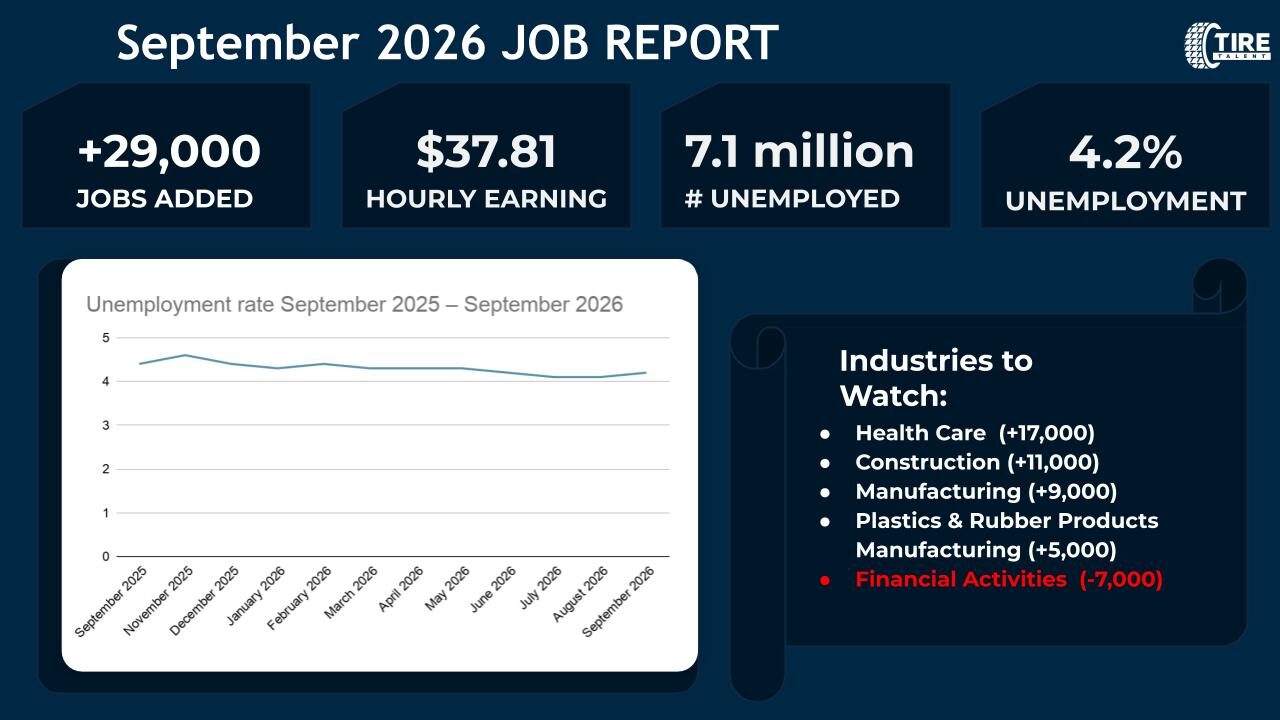
The numbers are stark. The average tire technician stays with an employer for just one to two years before moving on (Zippia, 2026 database of 17,854 technician resumes). Between 2022 and 2026, occupational separation alone — turnover, retirement, and career change — is projected to require nearly 413,000 technician replacements, with demand from separations peaking at approximately 88,000 positions in 2026 alone. That is not a hiring pipeline problem. That is a retention crisis with real costs in training time, customer service quality, and revenue per bay.
The dealers and commercial operators who are bucking this trend are not doing so by outspending the market on signing bonuses. They are doing it by understanding — with precision — why their technicians leave, and systematically removing those reasons. This guide covers the seven highest-impact retention strategies working in tire operations in 2026, the data behind them, and the specific steps employers can take to implement each one.
Why Tire Technicians Leave — The Actual Reasons
Most tire employers think they know why technicians leave. Most of them are wrong, or at least incomplete. Exit interview data and industry surveys point to a more specific set of drivers than the generic “they leave for more money” narrative.
In the Tire Talent 2025 tire industry employee survey, the top reasons employees in tire and automotive roles considered leaving included lack of clear career progression, compensation that failed to keep pace with their growing skill level, and management relationships that felt indifferent or adversarial. Pay was a factor — but it was rarely the sole factor for experienced technicians who were otherwise engaged with their work.
The research from Wrenchway’s technician retention studies underscores this: approximately three-quarters of employee turnovers are preventable — meaning the employer had the information and the tools to address the underlying issue before the resignation happened, and did not. For tire dealers spending $8,000–$15,000 to recruit, onboard, and train a replacement technician, preventable turnover is not a soft HR problem. It is a margin problem.
7 Tire Technician Retention Strategies That Work in 2026
1. Build a Visible, Credible Career Path — and Communicate It Explicitly
The single most consistent finding in automotive and tire industry retention research is that technicians who cannot see a path forward from their current role are far more likely to leave within the first three years. This is not about ambition for every technician. It is about certainty. A technician who knows exactly what they need to do to become a senior tech, shop lead, or service manager — with defined timelines, measurable criteria, and salary milestones at each stage — is making a much more considered calculation about whether to look elsewhere.
Most tire operations do not have this. They have informal norms and manager-dependent conversations about advancement that leave technicians guessing. The dealers consistently retaining their best people have built a written career ladder: entry-level tech → certified tech → senior tech → shop lead → assistant manager → store manager. Each step has defined requirements (certifications, tenure, performance benchmarks), a salary range, and a named person responsible for the technician’s development at each stage.
The tire industry career path 2026 guide documents what realistic compensation looks like at each level — from entry-level technicians earning $32,000–$40,000 to store managers earning $95,000–$130,000 at high-revenue commercial locations. Technicians who see that arc and believe in its credibility stay. Those who see a stalled ladder leave.
Implementation step: In the next 30 days, document your career ladder in writing and review it with every technician you want to retain. Ask each one where they see themselves in three years. Then make it your job to help them get there.
2. Pay for Skill Development, Not Just Time in Seat
Flat hourly pay structures that advance primarily on tenure — rather than on skill level and certification achievement — are one of the most common retention mistakes in tire retail. They reward longevity over performance, which frustrates the technicians you most want to keep (the ambitious ones who are developing rapidly), and creates no tangible incentive for professional growth.
The retention strategy that moves the needle is paying for certifications — immediately, meaningfully, and visibly. A technician who earns their TIA Automotive Tire Service certification and sees a $2–$3 per hour pay increase within 60 days of earning it has a concrete financial reason to pursue the next credential. A technician who earns a certification and receives a handshake and a “we’ll see what we can do at your next review” is being trained to look elsewhere.
ASE certification holders in the automotive and tire space consistently earn at the upper band of available ranges. TPMS certification is one of the fastest-payback credentials in the retail service track, given how ubiquitous TPMS service has become and how few shops have fully certified technicians. The tire industry salary guide 2026 documents exactly where certified vs. uncertified compensation diverges at each experience level.
Implementation step: Build a formal certification incentive program. Cover the cost of TIA and ASE study materials and exam fees. Create a written salary schedule that ties specific pay increases to specific certifications — and publish it to your entire team.
3. Fix the Front-Line Management Problem First
In tire retail specifically — where the shop culture is set by the shop lead or assistant manager rather than the owner or regional manager — front-line management quality is the most powerful driver of technician retention that most employers systematically underinvest in. A technician who works for a manager they respect, who gives them clear direction, fair feedback, and visible recognition will tolerate lower compensation than they could earn elsewhere. A technician who works for a disorganized, dismissive, or inconsistent manager will leave for a $1.50/hour raise.
Research consistently places manager behavior among the top-three reasons technicians leave — ahead of pay in many cases for experienced mid-career workers. More than 12% of employee departures are directly attributable to manager behavior, and many departures cited as “better opportunity” are in practice triggered by a manager interaction that made the technician willing to look.
Implementation step: Invest in deliberate manager training for every shop lead and assistant manager on your team. Survey your technicians anonymously about their immediate managers. Act on the results.
4. Structure Compensation Around Clarity, Not Just Level
The tire industry has seen meaningful wage growth over the past 24 months. But wage increases alone have not reduced technician turnover at operations that increased pay without addressing the second issue: clarity. When technicians do not understand how their pay is calculated, when they cannot predict their weekly take-home with confidence, and when they feel pay decisions are arbitrary or manager-dependent, compensation dissatisfaction persists even at above-market rates.
When the industry’s own survey data shows 80% of technicians prefer higher compensation over flexibility, the implication for employers is not simply “pay more.” It is “make sure technicians can see what they’re earning, why they’re earning it, and exactly how they can earn more.” The most retentive compensation designs share one feature: transparency.
Implementation step: Ask five technicians to explain how their pay is calculated. If the answers are inconsistent or uncertain, you have a transparency problem that no pay increase will fully solve.
5. Create a Culture That Treats Recognition as an Operational Discipline
In tire retail — where work is physically demanding, customer-facing pressure is constant — recognition for a job well done has a disproportionate retention impact. Technicians who feel invisible leave faster than technicians who feel valued, across every compensation level.
Sullivan Tire, which implemented an ESOP to give technicians literal ownership in the company, saw a 10% reduction in turnover in a single year — a tangible proof of concept for the principle that feeling invested in the organization’s success changes behavior. Formal recognition does not require equity programs. It requires consistency. A technician who receives a verbal acknowledgment from their manager every Friday about one specific thing they did well is being given a psychologically significant signal that their work is seen and valued.
Implementation step: Build recognition into the weekly operational rhythm of your shop. A manager who recognizes one technician’s specific contribution every single week — by name, in front of the team — is building a culture that retains people.
6. Address Work-Life Balance Before It Becomes the Reason Someone Leaves
The Tire Talent 2025 employee survey found that 83% of associate-level workers ranked work-life balance as their top priority — above compensation. The physical demands of tire service, the weekend and holiday work requirements, and the inflexibility of schedule at many operations contribute to a burnout trajectory that shows up first as disengagement and then as departure.
The tire dealers with the lowest turnover in 2026 have not solved this by reducing hours. They have solved it through scheduling predictability and communication. Technicians who receive their schedules two weeks out rather than four days out can plan their lives. Technicians who know they will have at least one consistent weekend off per month can manage family commitments.
Implementation step: Give your technicians more advance notice on their schedules. Identify one or two structural changes — a consistent day off pattern, a rotating holiday schedule — that signal you take their time seriously.
7. Build a Structured Onboarding Experience That Communicates Long-Term Investment
The first 90 days of a technician’s employment are the highest-risk retention window. New technicians are evaluating whether the reality of the job matches what they were told in the interview, whether their manager is invested in their success, and whether the training promises made during hiring are real. Most tire operations have weak onboarding — a few days of job shadowing and a tool orientation, then a sink-or-swim transition to production work.
The dealers with the lowest first-year turnover have structured onboarding that includes: a 30-60-90 day plan shared with the technician on day one; a designated mentor from the senior tech team; check-in conversations at 30, 60, and 90 days specifically focused on what the technician needs; and a clear articulation of what certification the employer will support them in pursuing in the first year.
Implementation step: Write a 30-60-90 day onboarding plan for your technician role. Assign every new hire a senior technician mentor for the first 90 days. Schedule and keep the check-in conversations.
How These Strategies Connect to Your Hiring
Retention and recruitment are not separate problems — they are the same problem viewed from different angles. Every technician you retain is one you do not have to recruit, train, and wait 90 days to make fully productive. Every technician who leaves early is a 4–6 month performance crater in your service output.
The tire technician shortage is structural and will not resolve through market dynamics alone. The shops that win the long game on talent are the ones that treat their existing technicians as the most strategically valuable talent they have — and build the systems to hold that value.
Connect with the Tire Talent team to recruit technicians who match the culture and career path your operation can offer. Bringing in the right candidates and retaining them through the strategies above is the combination that closes the talent gap.
Frequently Asked Questions About Tire Technician Retention
Why is tire technician turnover so high?
The average tire technician stays with an employer for one to two years. The primary drivers are lack of visible career advancement, compensation that does not scale with skill development, management quality issues, and scheduling unpredictability. Approximately three-quarters of technician departures are preventable — meaning the employer had the information and ability to address the underlying issue before it became a resignation.
What is the most effective tire technician retention strategy?
No single strategy works in isolation, but the combination of visible career path documentation, certification-linked pay increases, and consistent recognition from front-line managers addresses the top three reasons experienced technicians leave. Dealers who have implemented all three report meaningfully lower first- and second-year turnover than industry averages.
How much does technician turnover cost a tire shop?
Estimates for replacing a single technician range from $8,000 to $15,000 when recruiting costs, onboarding time, and the productivity gap during the replacement search and training period are included. At average turnover rates, a shop with five technicians may be absorbing $40,000–$75,000 in annual turnover costs.
How long should it take to build a structured retention program?
The minimum viable structure — a written career ladder, a certification incentive schedule, a 30-60-90 onboarding plan, and a manager recognition cadence — can be built in four to six weeks with commitment from the owner or store manager. The cultural shift takes longer. The shops with the lowest turnover have been consistently practicing these disciplines for two-plus years.
Final Thought: Retention Is a System, Not a One-Time Fix
The tire dealers winning the talent competition in 2026 are not doing it through one big initiative. They are doing it through a set of connected operational disciplines — career path clarity, certification-linked compensation, management investment, recognition, schedule predictability, and structured onboarding — that compound over time into a culture technicians want to stay in and refer their peers to.
For tire dealers and commercial operators: Work with the Tire Talent team to recruit technicians who match your operation’s career path and culture — using active outbound sourcing that reaches the candidates your job postings cannot.
For tire technicians considering your next move: Explore open roles at Tire Talent to find operations that invest in career development, certification, and the kind of management that builds rather than burns loyalty.